Keeping fish as pets can be a relaxing and rewarding experience. Aquariums add beauty to homes and offices while providing stress-relief and a sense of responsibility for pet owners. Whether you are a beginner or an experienced aquarist, this guide covers everything you need to know about pet fish, from types and exotic species to proper fish care, tank setup, and maintenance.
Advantages of Keeping Fish as Pets
Affordable & Beginner-Friendly
Fish are generally inexpensive compared to other pets like cats or dogs. A small freshwater tank with basic equipment can accommodate several species. Fish are also low-maintenance, require no walking, and take up minimal space, making them perfect for apartments and small homes.
Calming and Decorative
Watching fish swim is known to reduce stress and promote relaxation. Aquariums also act as living décor, adding beauty and tranquility to any environment.
Responsibility & Learning
Caring for fish helps pet owners, especially children, learn responsibility and basic biology. Managing tank conditions and feeding schedules teaches attention to detail and consistent routines.
Disadvantages of Keeping Fish as Pets
Initial & Ongoing Costs
Setting up an aquarium involves costs for tanks, filters, heaters, lighting, and decorations. Ongoing expenses include water conditioners, food, and equipment maintenance.
Time & Knowledge Required
Proper fish care requires monitoring water chemistry, feeding, and observing fish behavior. Beginners may experience high fish mortality if these conditions are neglected.
Limited Social Interaction
Unlike dogs or cats, fish provide minimal interactive companionship. They mainly offer visual enjoyment and relaxation.
Freshwater Fish vs Saltwater Fish Pets: What You Need to Know
Ease of Care & Cost
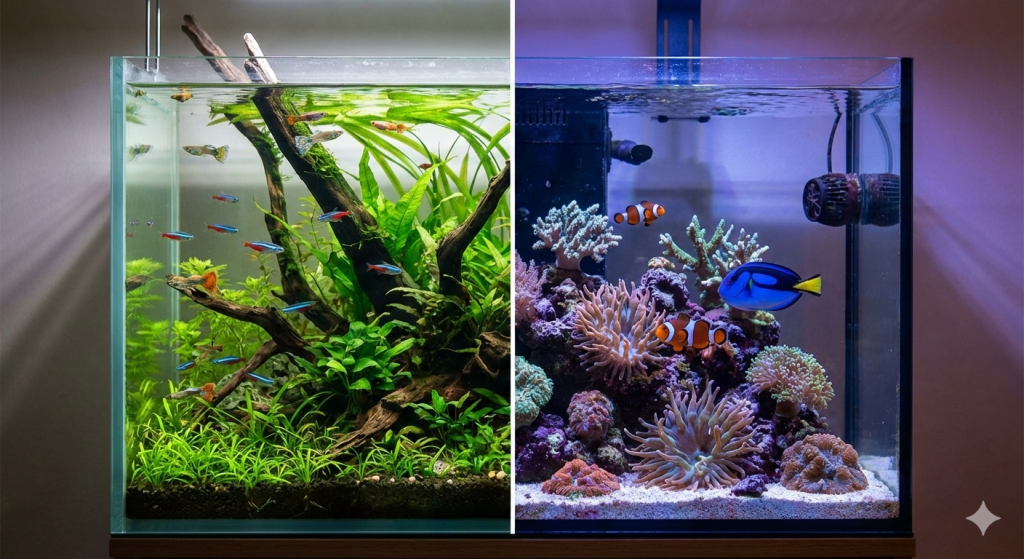
Freshwater tanks are cheaper and easier to maintain, ideal for beginners. Saltwater tanks require advanced equipment and precise water chemistry management, increasing both setup and maintenance costs.
Variety & Visual Appeal
Saltwater fish are often more colorful and exotic. Freshwater fish have a wide variety but usually less vibrant than marine species.
Maintenance Differences
Saltwater aquariums require careful monitoring of pH, salinity, and nitrates. Freshwater setups are more forgiving but still require regular maintenance to ensure healthy fish.
Freshwater Tank (Aquarium) vs Saltwater Tank (Aquarium)
Setup Requirements
Freshwater tanks need basic equipment, while saltwater tanks require salt mixes, live rock, and specialized filtration systems.
Maintenance & Water Parameters
Freshwater tanks tolerate broader water parameter ranges. Saltwater aquariums need strict monitoring to maintain stable salinity, temperature, and pH levels.
Aesthetic & Ecosystem Differences
Saltwater tanks allow for coral reefs and complex invertebrate ecosystems. Freshwater tanks offer flexible aquascaping options with plants, rocks, and decorations.
A List of Crazy, Exotic Fish to Keep as Pets
Exotic Marine Fish
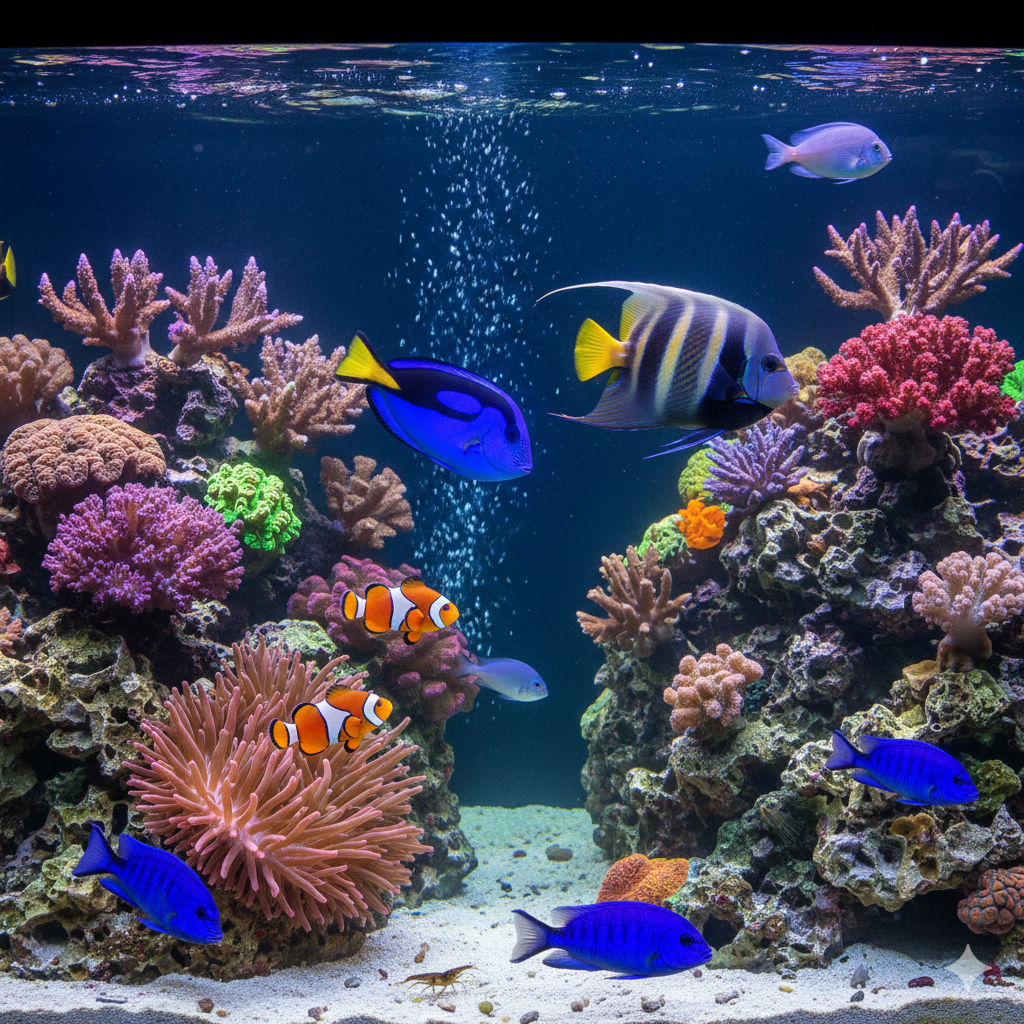
Popular saltwater species include clownfish, tangs, gobies, and wrasses. These fish are vibrant but require advanced fish care and stable tank conditions.
Exotic Freshwater or Large Species
Large freshwater fish like arowana or pacu require spacious tanks or ponds. They are suitable for experienced aquarists.
Rare & Vibrant Varieties
Species like electric blue cichlids and marine angels are visually stunning but demand specialized diets and water conditions.
Types of Pet Fish
Freshwater Fish Types
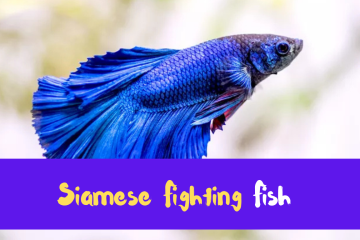
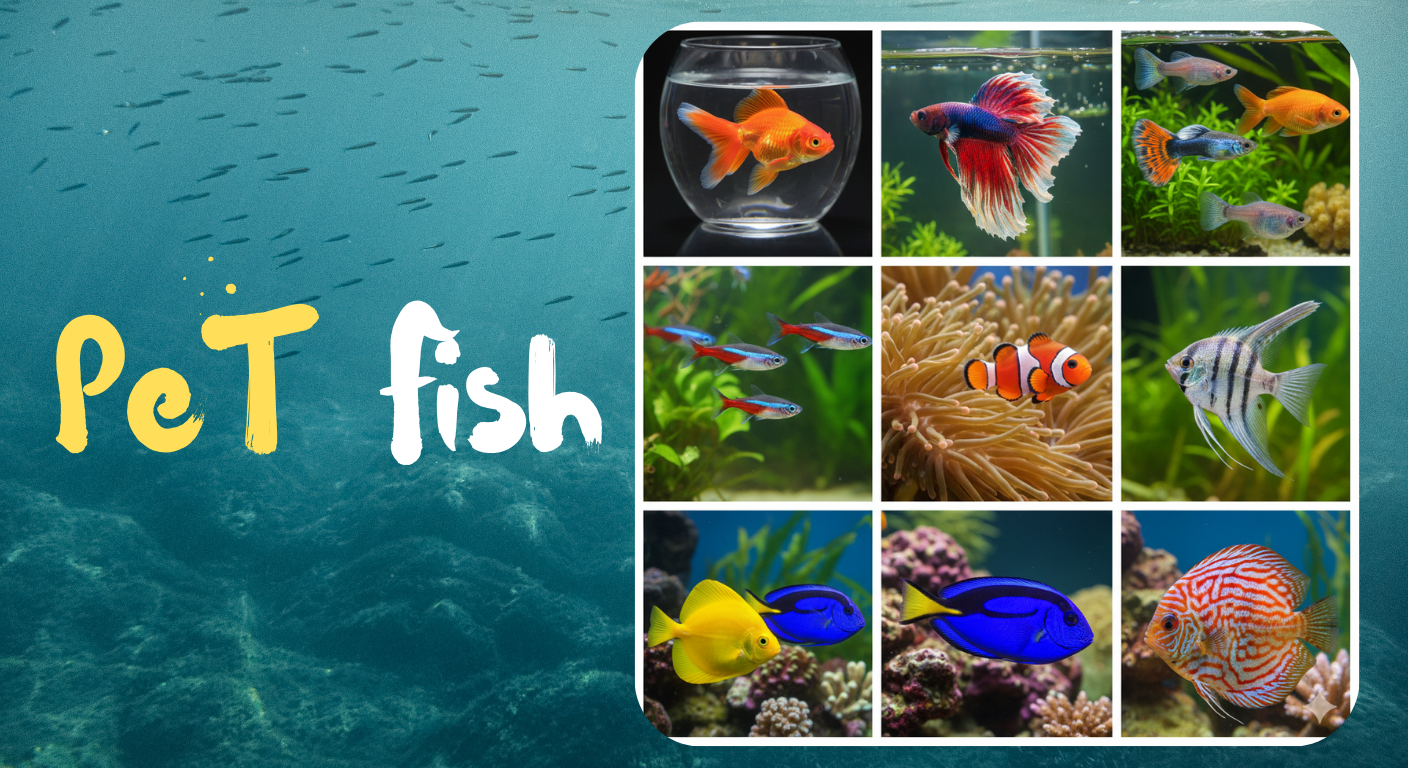
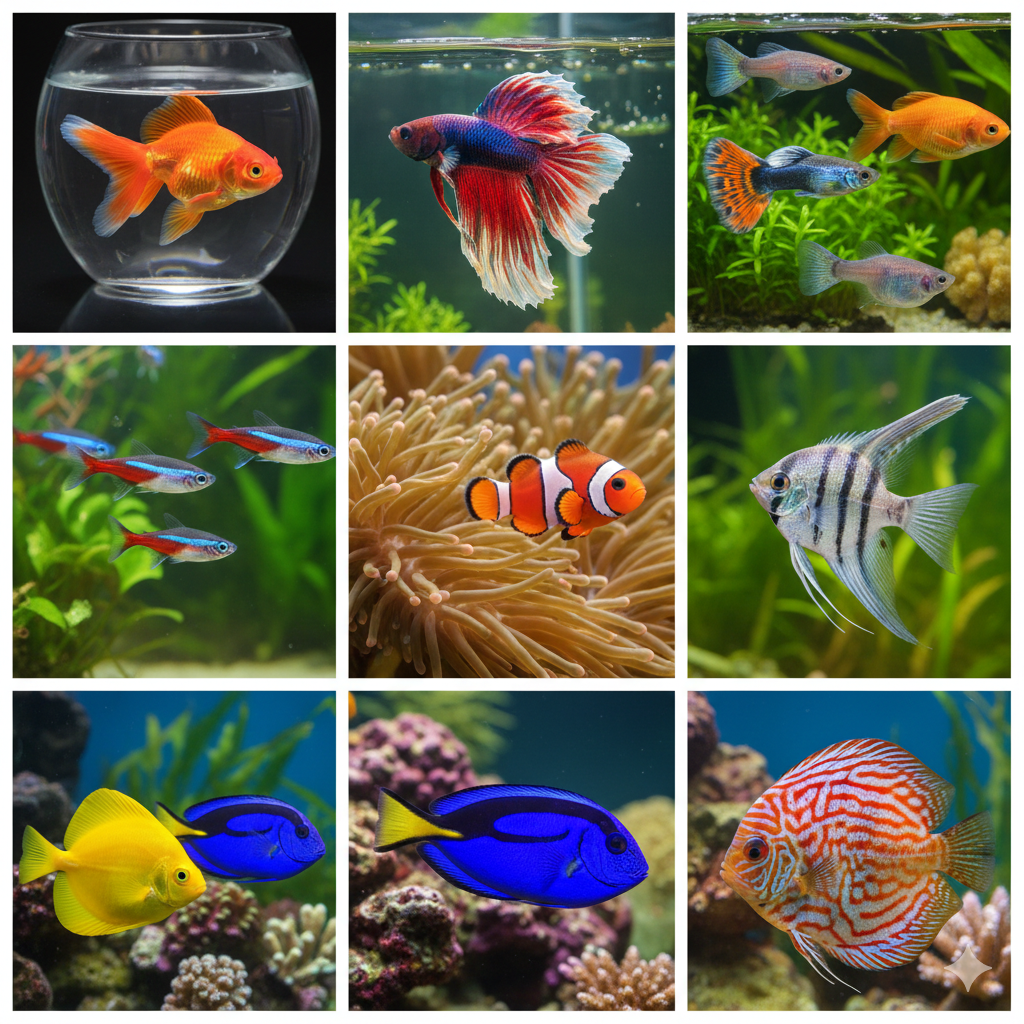
Popular freshwater fish include goldfish, fancy goldfish, comet goldfish, Betta Fish (Siamese Fighting Fish), guppy fish, tetra fish, molly fish, platy fish, angelfish (freshwater), sucker fish and pleco fish. They are beginner-friendly and suitable for small to medium tanks. According to Aqueon
Saltwater Fish Types
Common marine species include clownfish, tang fish, goby fish, wrasse fish, angelfish sea and marine angelfish. Saltwater fish are more vibrant but require careful monitoring.
Community vs Special Care Fish
Schooling fish like tetras or bottom-dwellers such as Corydoras are suitable for community tanks. Some species need specialized diets or tank conditions.
Aquarium Setup Essentials & Best Practices
- Tank Size & Location: Larger tanks are easier to maintain as water parameters remain stable.
- Filtration, Heating & Lighting: Proper filters, heaters, and lighting ensure fish health and plant growth. According to PetDaily
- Nitrogen Cycle: Beneficial bacteria process toxic ammonia and nitrites; new tanks must cycle before adding fish.
Routine Fish Care & Maintenance
Water Changes & Monitoring
- Partial water changes (10–20% weekly for freshwater, bi-weekly for saltwater) keep nitrate levels under control.
- Regularly test pH, ammonia, nitrite, and nitrate to maintain water quality.
Quarantine New Fish
- Newly purchased fish should be quarantined for 1–2 weeks to prevent disease spread.
Feeding & Nutrition
- Feed species-appropriate diets: flakes, pellets, live or frozen foods.
- Feed small amounts once or twice daily to avoid overfeeding and water pollution.
Planting & Aquascaping
- Aquatic plants provide oxygen, natural filtration, and hiding spots for fish.
- Live plants help reduce algae growth and create stable freshwater ecosystems.
Long-Lived Freshwater Fish Examples
| Species | Lifespan | Notes |
|---|---|---|
| Goldfish | 15–20+ yrs | Needs spacious tank. |
| Angelfish | 10–12 yrs | Requires stable water. |
| Betta | ~10 yrs | Males are territorial. |
| Pygmy Corydoras | 10–12 yrs | Bottom-dweller for community tanks. |
| Plecostomus | 10–15 yrs | Useful algae-eater. |
Saltwater Specific Tips
- Maintain precise salinity levels using a refractometer.
- Equipment like protein skimmers, powerheads, and specialized lighting is essential.
Fish Care Checklist
| Task | Frequency | Notes |
|---|---|---|
| Water Test (pH, Ammonia, Nitrite, Nitrate) | Weekly | Adjust water chemistry |
| Partial Water Change | Weekly (Freshwater), Bi-weekly (Saltwater) | 10–25% of tank volume |
| Filter Cleaning | Monthly | Use tank water to rinse |
| Feeding | Daily | Remove uneaten food |
| Fish Health Check | Weekly | Observe behavior and health |
FAQs About Pet Fish
Q1: How often should I change aquarium water?
A: Freshwater: weekly 10–25%, saltwater: bi-weekly.
Q: Can freshwater fish live in saltwater?
A: No, freshwater fish cannot survive in saltwater due to physiological differences.
Q3: Which fish are best for beginners?
A: Betta, Guppies, Tetras, Goldfish.