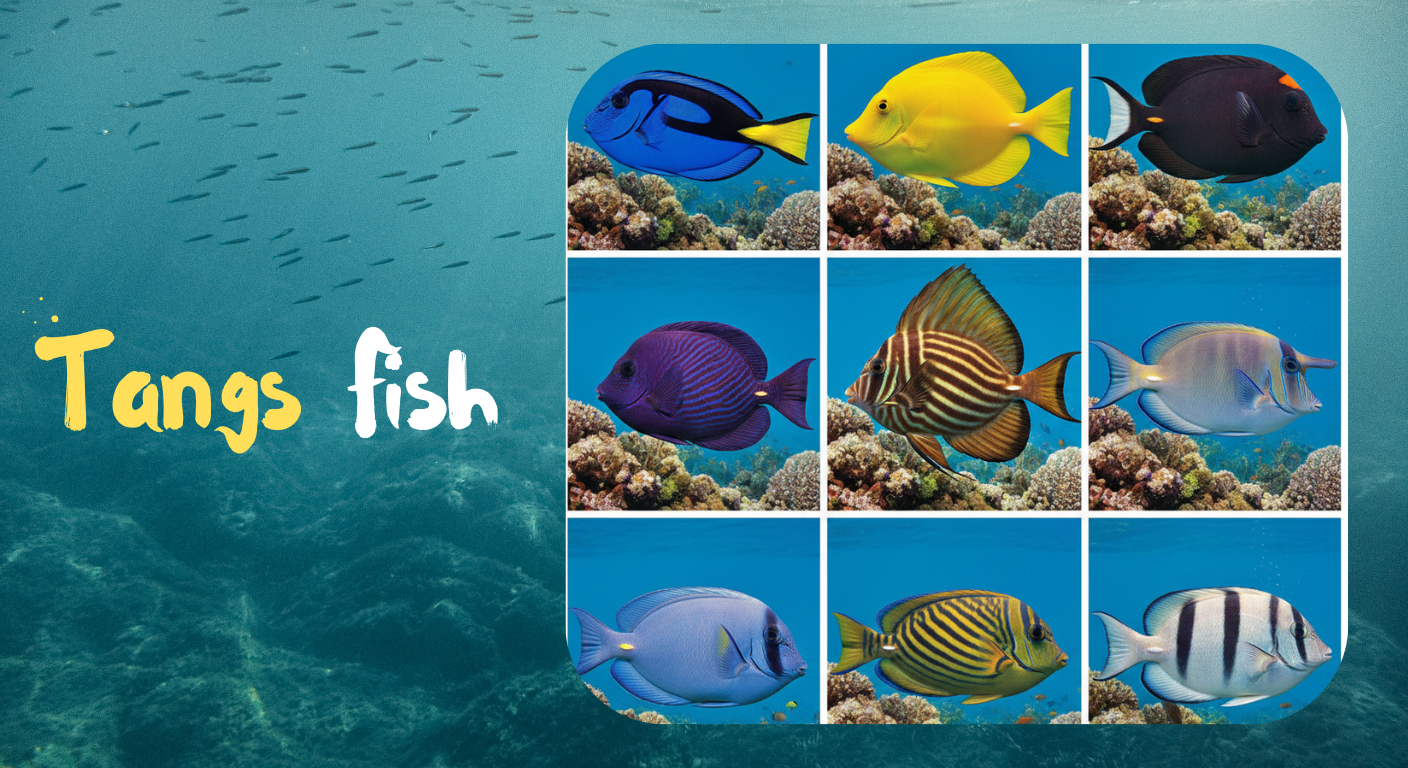
Tang fish are among the most fascinating and colorful saltwater fish on the planet. Known for their bright colors, unique body shapes, and ecological importance, tangs have captured the interest of marine biologists, home aquarium enthusiasts, and movie fans alike. In this article, we explore everything about tang fish, including species, behaviour, habitat, diet, and more.
What Is a Tang Fish?
Tang Fish Meaning
A tang fish refers to any of the saltwater fish belonging to the family Acanthuridae. These fish are commonly known as surgeonfish due to the sharp, scalpel-like spine on either side of the tail used for defence. Their vibrant colors and reef associations make them easily recognizable.
Is Tang a Fish / Is Tang a Type of Fish?
Yes — a tang fish is definitely a fish and a specific type of marine fish in the order Perciformes, family Acanthuridae. They are ray-finned fish found mainly in tropical shallow waters.
Tang Saltwater Fish Traits
- Habitat: Coral reefs and lagoons in tropical seas.
- Defence: Sharp caudal spine (“surgeon’s scalpel”).
- Diet: Primarily herbivorous algae grazers.
Tang Fish Species and Varieties
Types of Tang Fish
Many tang fish species exist in the world’s tropical oceans. Popular and well-known species include:
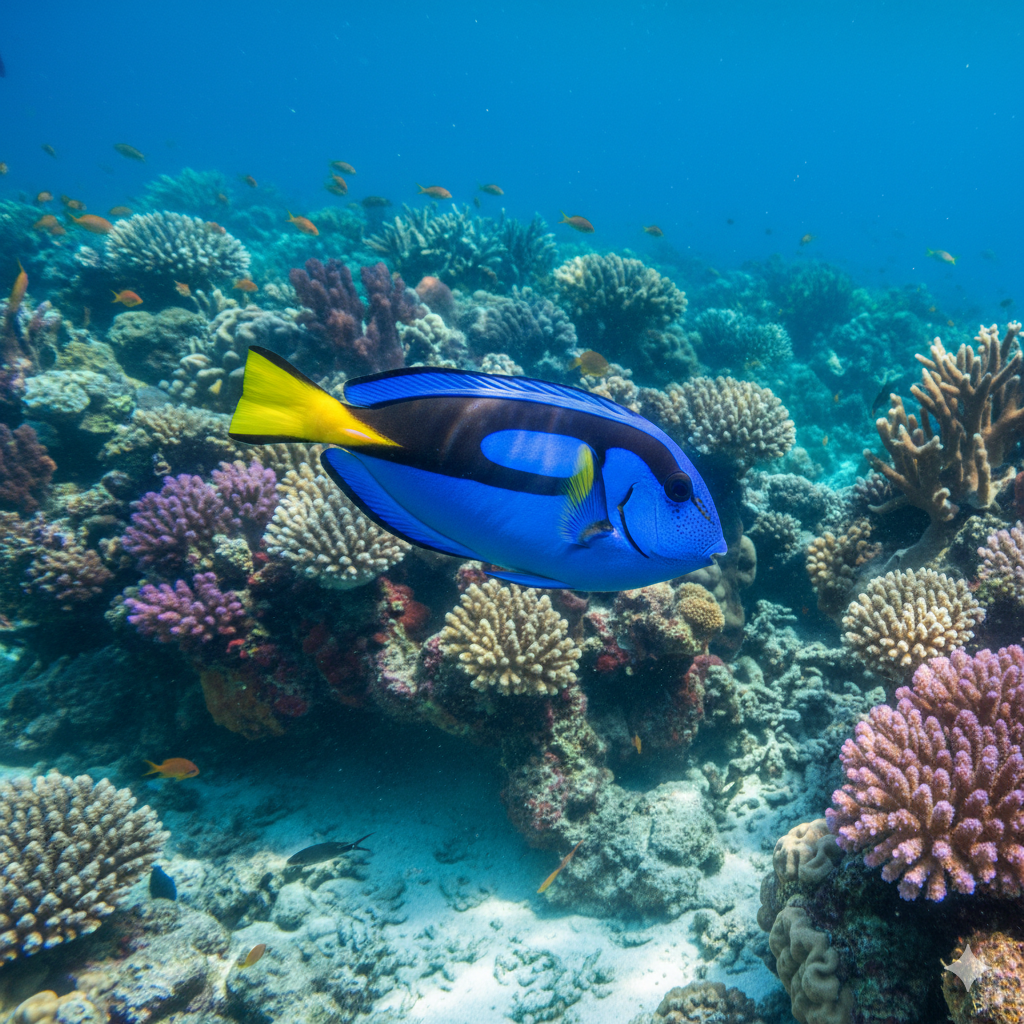
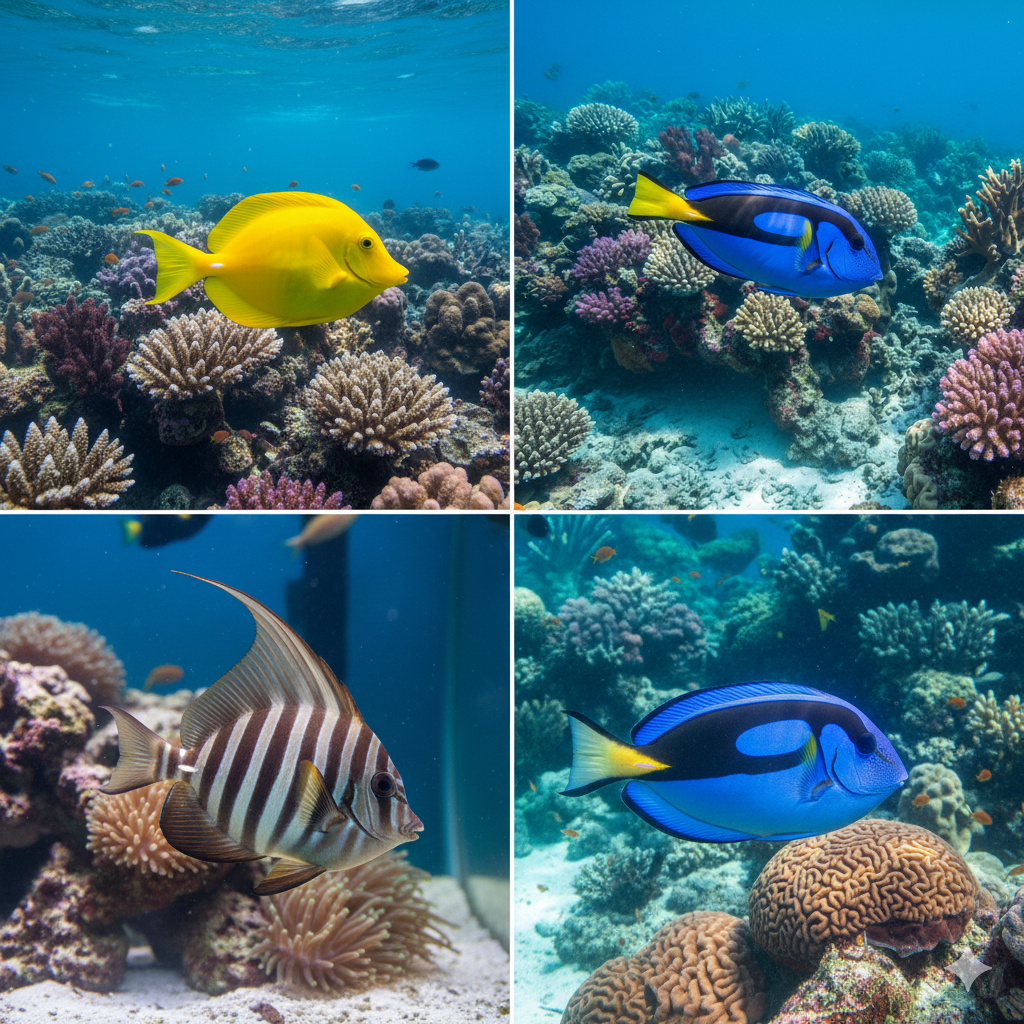
- Blue Tang / Regal Blue Tang Fish / Royal Blue Tang Fish (Paracanthurus hepatus) — iconic blue and yellow fish, also known as Dory.
- Yellow Tang Fish (Zebrasoma flavescens) — bright yellow reef grazer. According to Wikipedia
- Powder Blue Tang (Acanthurus leucosternon) — striking sky-blue color.
- Sailfin Tang (Zebrasoma veliferum) — large fin shapes.
- Purple Tang, Clown Tang, Vlamingi Tang, and Unicorn Tang.
Tang Fish Species Table
| Species (Common Name) | Scientific Name | Typical Size | Distribution / Habitat |
|---|---|---|---|
| Blue Tang | Paracanthurus hepatus | 8–12 in (20–30 cm) | Indo-Pacific reefs |
| Yellow Tang | Zebrasoma flavescens | Up to ~8 in (20 cm) | Pacific coral reefs |
| Powder Blue Tang | Acanthurus leucosternon | ~6–9 in (15–23 cm) | Indian & Pacific oceans |
| Sailfin Tang | Zebrasoma veliferum | ~12–15 in (30–38 cm) | Indo-Pacific reefs |
Natural Habitat and Ecosystem Role
Coral Reef Homes
Tang fish are reef-associated fish found in warm, shallow tropical seas, mainly across the Indo-Pacific and Atlantic regions. They rely on coral structures for shelter, feeding, and reproduction.
Reef Ecosystem Importance
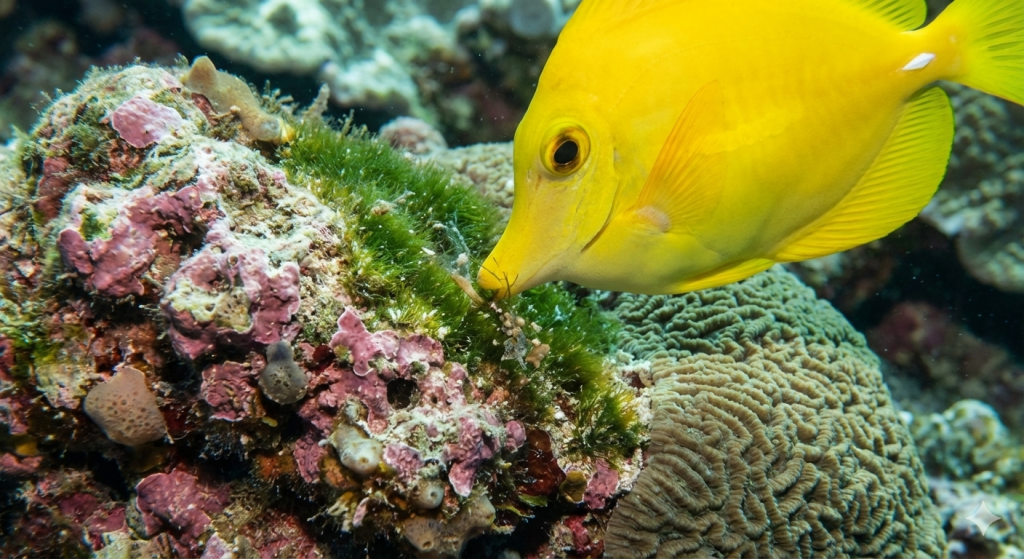
Tangs are essential grazers — they eat filamentous algae that can otherwise smother coral and disrupt reef health. By controlling algae levels, they help maintain delicate coral ecosystems.
Social Behavior
- Tangs often swim in loose schools, especially as juveniles.
- They use coral crevices for shelter at night and to avoid predators.
What Do Tang Fish Eat?
Tang Fish Diet (Wild)
Most tang fish are herbivores that feed heavily on algae growing on coral and rocks. Some species may also consume plankton and detritus, but plant matter is dominant.
Tang Fish Eat — In Aquaria
In captivity, tangs are fed:
- Marine algae / seaweed sheets.
- Spirulina and herbivore pellets.
- Occasional protein treats (mysis shrimp, brine shrimp).
Impact on Coral Reefs
By grazing algae, tang fish help prevent algae from outcompeting corals for space and light — a key ecological service.
Tang Fish Size and Growth
Tang Fish Size Overview
Different species vary in size:
- Blue Tang typically 8–12 inches (20–30 cm) long, with occasional individuals up to about 14+ inches.
- Yellow Tang commonly reaches up to 8 inches (20 cm).
Growth in Captivity vs. Wild
Tangs grow according to available space, diet, and water quality. Captive specimens can reach near their natural maximum sizes with proper care, while limited tank space may restrict growth and impact health.
Tang Fish Reproduction
Spawning and Life Cycle
Tangs reproduce through broadcast spawning: groups release eggs and sperm into open water simultaneously, with fertilization occurring externally.
Juvenile to Adult
After hatching, larvae drift in the plankton before settling on reef structures, where they metamorphose into juvenile fish.
Tang Fish in Aquariums
Tang Fish Price
- Blue Tang Fish Price: generally ranges $50–$200 or more depending on size and source.
- Other Tangs: prices vary based on species, rarity, and size (Purple Tang, Powder Blue Tang, Sailfin Tang, etc.).
Tank Size Minimums
- Blue Tang: ideally large tanks (100+ gallons) due to active swimming and size.
- Yellow Tang: minimum advisable space is around 75–125 gallons as adults.
Care Requirements
Tangs need:
- Stable saltwater conditions.
- Strong filtration and flow to mimic reef currents.
- Plenty of grazing surfaces (live rock with algae).
Predators and Threats
What Eats Tang Fish?
In the wild, tangs are prey to large reef predators including:
- Sharks
- Tunas
- Groupers, snappers, jacks
Conservation Risks
- Aquarium Trade Collection: Historically, blue tangs were nearly all wild-caught, stressing populations.
- Habitat Loss: Coral bleaching and ocean degradation pose threats to reef dwellers.
Tang Fish Facts — At a Glance
| Topic | Quick Facts |
|---|---|
| Family | Acanthuridae (surgeonfish, unicornfish, tangs) |
| Habitat | Tropical coral reefs |
| Diet | Primarily algae (herbivore) |
| Tang Fish Dory | Dory is a blue tang species (Paracanthurus hepatus) |
| Lifespan | Up to ~20 years in captivity; wild reports vary |
| Defence | Sharp scalpel-like caudal spine |
| Aquarium Care | Requires large, stable saltwater tank |
Frequently Asked Questions (FAQs)
Q: What kind of tang is Dory?
A: Dory is a blue tang fish (Paracanthurus hepatus), made famous by Finding Nemo and Finding Dory.
Q: Do tang fish eat meat?
A: Tangs are primarily herbivores, eating algae, though some may ingest plankton or small detritus.
Q: Can tang fish live in home aquariums?
A: Yes — with appropriate tank size (often 100+ gallons), water quality, and diet.
Q: Are tang fish suitable for beginners?
A: Some species like the yellow tang may be suitable for intermediate hobbyists, but all require significant tank space and stable saltwater care.