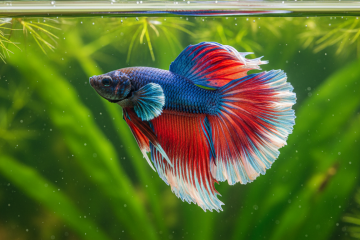
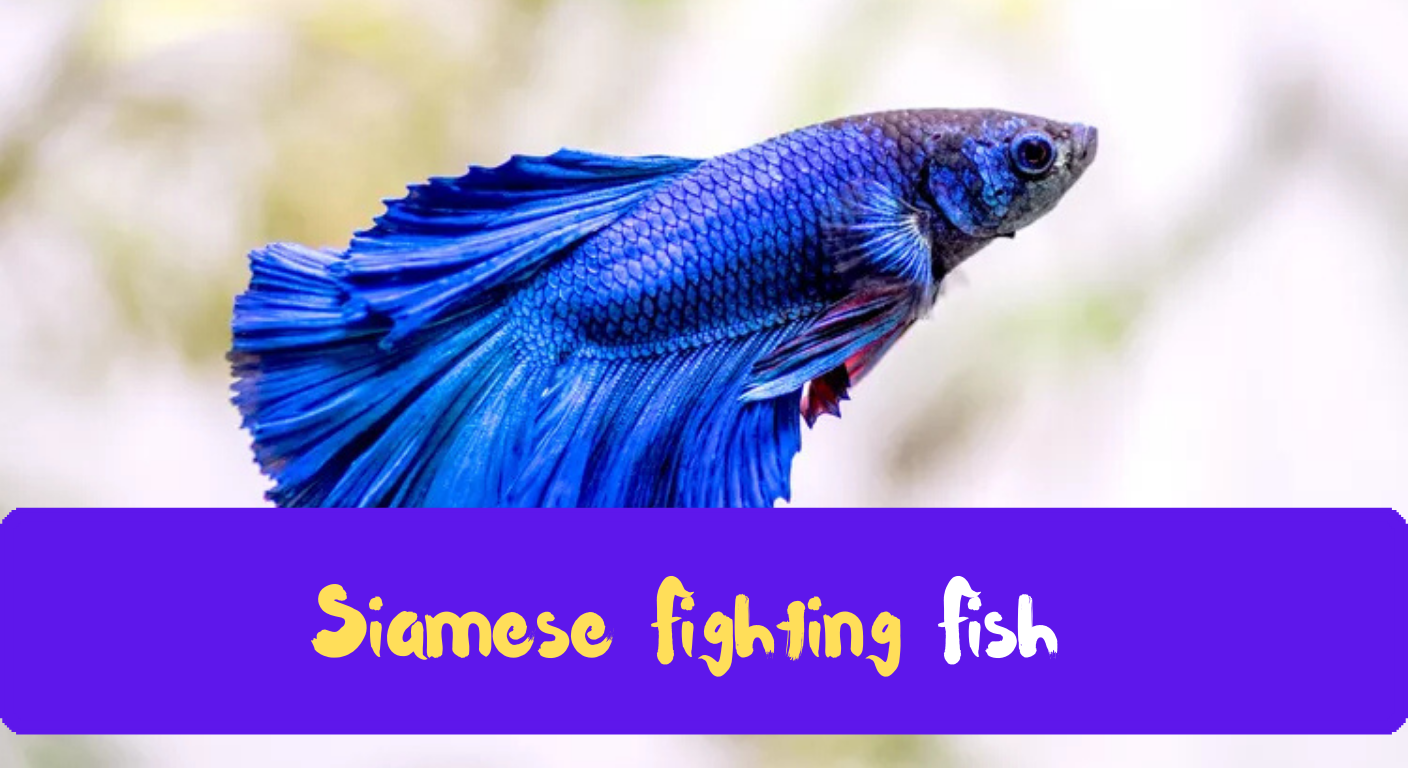
The Siamese fighting fish (Betta splendens) is one of the most popular freshwater aquarium fish kept by beginners around the world. Known for its bright colors, elegant fins, and bold personality, this tropical fish is both beautiful and relatively easy to care for. According to data published by FishBase, the species originates from Southeast Asia and naturally lives in shallow freshwater habitats such as rice paddies and slow-moving streams.
Because they tolerate low-oxygen water and adapt well to home aquariums, bettas are commonly recommended as starter fish for new aquarium hobbyists. Educational resources like National Geographic also describe bettas as hardy labyrinth fish capable of breathing air from the surface, making them different from most aquarium fish.
Table of Contents
What Is a Siamese Fighting Fish?
Scientific Classification and Origin
The Siamese fighting fish belongs to the gourami family and is native to Thailand, Cambodia, Laos, and Vietnam. Scientific distribution records documented by Encyclopaedia Britannica confirm that these fish evolved in warm tropical wetlands and floodplains.
Why They Are Called “Fighting Fish”
Male bettas are extremely territorial and will often attack other males placed in the same tank. Historical accounts show they were once bred for organized fish fights in Southeast Asia, which is how they earned their name.
Popularity in the Aquarium Hobby
Modern bettas are bred mainly for ornamental beauty rather than aggression. Their huge variety of colors, tail shapes, and patterns has made them one of the top-selling aquarium fish worldwide.
Natural Habitat and Behavior
Where Bettas Live in the Wild
Wild bettas live in shallow marshes, canals, rice fields, and ponds filled with vegetation. Research summarized in aquatic biodiversity databases notes these environments often contain warm, slow-moving, low-oxygen water.
Special Labyrinth Breathing Organ
Unlike most fish, bettas possess a labyrinth organ that allows them to breathe atmospheric oxygen. Fish physiology studies published in academic aquarium references confirm this adaptation helps them survive in oxygen-poor waters.
Territorial Personality
Male bettas defend their territory strongly. Even their reflection in glass can trigger aggressive displays such as flaring fins and spreading gills.
Appearance and Varieties
Size and Lifespan
Most adult bettas grow to about 2.5–3 inches long. With proper aquarium care, they usually live 3–5 years, though some can live longer in well-maintained tanks.
Colors Available in Pet Stores
Selective breeding has produced dozens of color types including:
- Red
- Blue
- Turquoise
- White
- Yellow
- Black
- Multicolor marble patterns
Aquarium breeding documentation referenced by ornamental fish societies explains that these colors come from layered skin pigmentation and reflective scale structures.
Common Tail Types
| Tail Type | Description |
|---|---|
| Veiltail | Long flowing tail, most common in stores |
| Crowntail | Spiky fin rays resembling a crown |
| Halfmoon | Tail spreads in a 180° semicircle |
| Plakat | Short fins similar to wild bettas |
Beginner Aquarium Setup Guide
Ideal Tank Size
| Setup Factor | Recommended Value |
|---|---|
| Minimum tank size | 5 gallons |
| Preferred temperature | 75–82°F (24–28°C) |
| Ideal pH | Around 7.0 |
| Filter needed | Yes, gentle flow |
Aquarium care guides from professional fishkeeping manuals consistently state that although bettas survive in small cups, they live healthier and longer in properly filtered aquariums.
Decorations Bettas Love
Bettas naturally prefer tanks with:
- Live or silk plants
- Floating leaves
- Small caves or hiding areas
- Smooth decorations without sharp edges
These provide enrichment and reduce stress.
Can Bettas Live With Other Fish?
| Safe Tankmates | Avoid |
|---|---|
| Corydoras catfish | Other male bettas |
| Small tetras | Fin-nipping fish |
| Snails | Aggressive cichlids |
| Shrimp (sometimes) | Long-finned guppies |
Compatibility varies by individual temperament.
Feeding Your Betta Properly
Natural Diet in the Wild
Wild bettas are carnivorous and eat:
- Insect larvae
- Small crustaceans
- Zooplankton
Fish nutrition references warn that bettas cannot live on plant material alone.
Siamese Fish Food for Home Aquariums
When keeping bettas at home, choosing the right Siamese fish food is essential. Specialized betta pellets or flakes provide balanced nutrition and help maintain vibrant colors. Treats like frozen or live bloodworms and brine shrimp can be offered occasionally for variety. Feeding your betta a proper diet ensures a long, healthy life and reduces stress-related diseases.
Avoid Overfeeding
Feed only what your betta can eat in about two minutes. Overfeeding leads to obesity and water pollution.
Breeding and Reproduction Basics
Bubble Nest Building
Male bettas build bubble nests on the water surface. These nests hold fertilized eggs.
Spawning Behavior
During mating, the male wraps around the female and fertilizes released eggs.
Male Parental Care
After spawning, the male guards the eggs and returns fallen eggs to the bubble nest until they hatch.
Common Betta Fish Diseases
| Disease | Cause | Prevention |
|---|---|---|
| Fin rot | Dirty water | Weekly water changes |
| White spot (Ich) | Parasite | Stable temperature |
| Velvet | Infection | Quarantine new fish |
| Dropsy | Internal disease | Early treatment |
Aquarium veterinary guidelines emphasize that most betta illnesses are caused by poor water quality and cold temperatures.
Conservation Status
Although extremely common in pet stores, wild populations of Siamese fighting fish are declining in parts of their natural range. Conservation assessments listed by International Union for Conservation Nature classify the species as vulnerable due to habitat destruction and pollution in Southeast Asia.
FAQ — Siamese Fighting Fish
Q: Are betta fish good for beginners?
A: Yes. They are one of the easiest tropical fish to keep if provided with warm, clean water and a proper tank.
Q: Can two betta fish live together?
A; Two males should never be housed together. Females sometimes can live in groups, but only in large tanks with supervision.
Q: Do betta fish need a heater?
A: Yes. They are tropical fish and require warm water year-round.
Q: How often should I change betta water?
A: Partial water changes of about 25–30% weekly are recommended.
Q: How long can bettas live?
A: Most live 3–5 years with proper care.