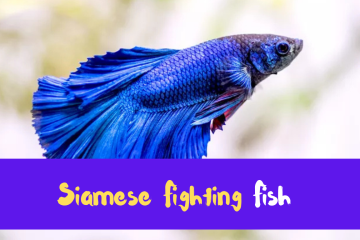
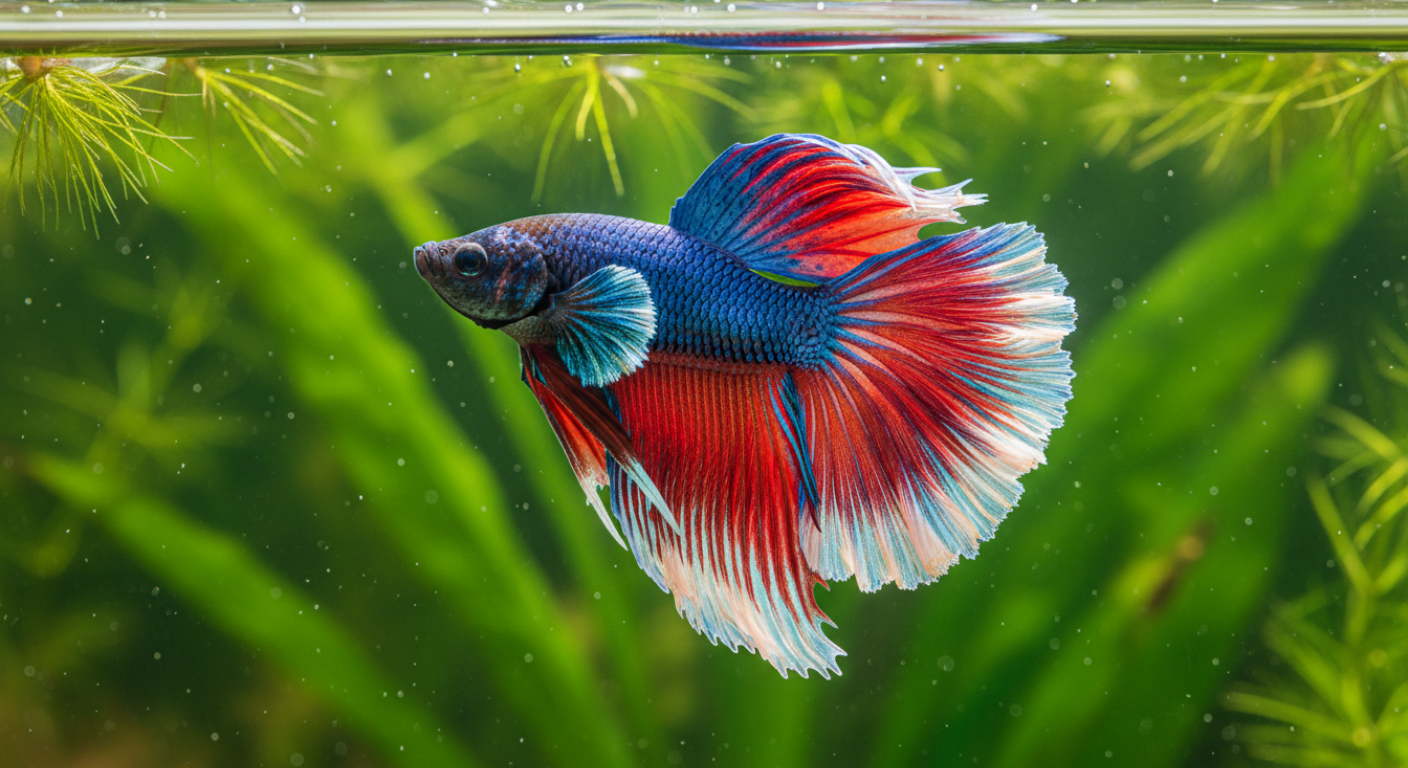
Siamese fighting fish, commonly known as betta fish, are one of the most popular aquarium pets because of their bright colors and active personalities. But to keep them healthy, vibrant, and long‑lived, you need to feed them the right food in the right way. Unlike many other fish, bettas are primarily carnivorous and have specific nutritional needs.
Table of Contents
Siamese Fish Diet
Carnivorous Nature, What They Eat in the Wild
Bettas in the wild feed on insects, larvae, and small aquatic creatures found near the water’s surface. This is why most betta diets in captivity focus on high‑protein foods that mimic this natural diet.
High Protein Requirement
These fish require high‑protein diets because of their digestive system — a short gut meant for meat‑based foods rather than plant matter or grains.
Small Stomach, Big Importance
A betta’s stomach is about the size of its eyeball, so portion control matters. Too much food can cause bloating, constipation, and water quality problems.
Best Types of Siamese Fish Food
1. Staple Foods, The Daily Diet
Pellets for Bettas
- Designed especially for bettas with the right protein levels.
- Easy to portion and less likely to pollute the tank.
- Feed 2–4 pellets once or twice a day.
Flake Foods
- Flakes float at the surface, which matches how bettas feed.
- Choose high‑quality protein‑rich formulas.
- Not as ideal as pellets, but still usable.
2. Frozen & Freeze‑Dried Treats
Bloodworms, Brine Shrimp, Daphnia
- Excellent protein sources that mimic wild diet.
- Ideal when fed 1–2 times per week.
- Soak slightly before feeding to prevent bloating.
Live Foods (Optional)
- Live brine shrimp or mosquito larvae offer mental stimulation and mimic natural prey.
- Only recommended if sourced properly to avoid disease.
How Much & How Often to Feed
Daily Feeding Routine
- Adult bettas: Once or twice per day.
- Amount: Only what they can eat in about 2–3 minutes.
Feeding Schedule Example
Monday–Saturday
- Pellets most days.
- Frozen or freeze‑dried proteins 1–2 days a week.
Sunday (Optional Fast Day)
- A day without food helps digestion and mimics periods without food in the wild.
Portion Control Tips
- Observe how much your betta eats in 2–3 minutes — that’s your serving size.
- Remove uneaten food quickly to keep the water clean.
Common Feeding Mistakes
Overfeeding
Giving too much food at once can cause:
- Bloating
- Swim‑bladder issues
- Poor water quality leading to disease.
Feeding Plant Foods
Vegetables, fruits, or grains are not suitable — bettas don’t digest these well and can become sick.
Human Foods
Chicken, rice, bread, or other human meals are not balanced and should never be fed to bettas.
Pro Tips from Betta Keepers
Food Variety Matters
Most betta keepers rotate between pellets, frozen foods, and occasional live treats. A varied diet prevents boredom and nutritional gaps.
Monitor Body Condition
A slightly rounded belly is healthy. A very swollen belly might mean overfeeding. A skinny body can indicate underfeeding.
Final Thoughts
Feeding your Siamese fighting fish doesn’t have to be confusing. With the right high‑protein staple foods, occasional treats, and good portion control, your betta will have the nutrition needed for a long, healthy life. Always watch how your fish responds — appetite, energy levels, and body condition are the best guides.
Frequently Asked Questions (FAQ)
Q: Can bettas skip meals?
A: Yes. A healthy adult betta can survive up to 14 days without food — but it’s not ideal. Regular feeding is best.
Q: Are flakes okay?
A: Yes, but high‑quality pellets are generally better because they’re easier to portion and more nutrient‑dense.
Q: How much protein is enough?
A: Look for foods with high protein content, especially animal or insect‑based proteins.
Q: Do bettas need vegetables?
A: Not really — bettas are carnivores and cannot digest plant matter well. Vegetables are usually unnecessary.