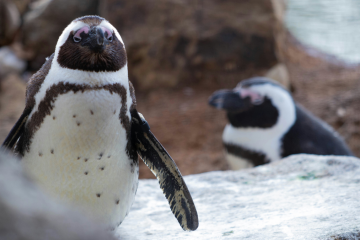
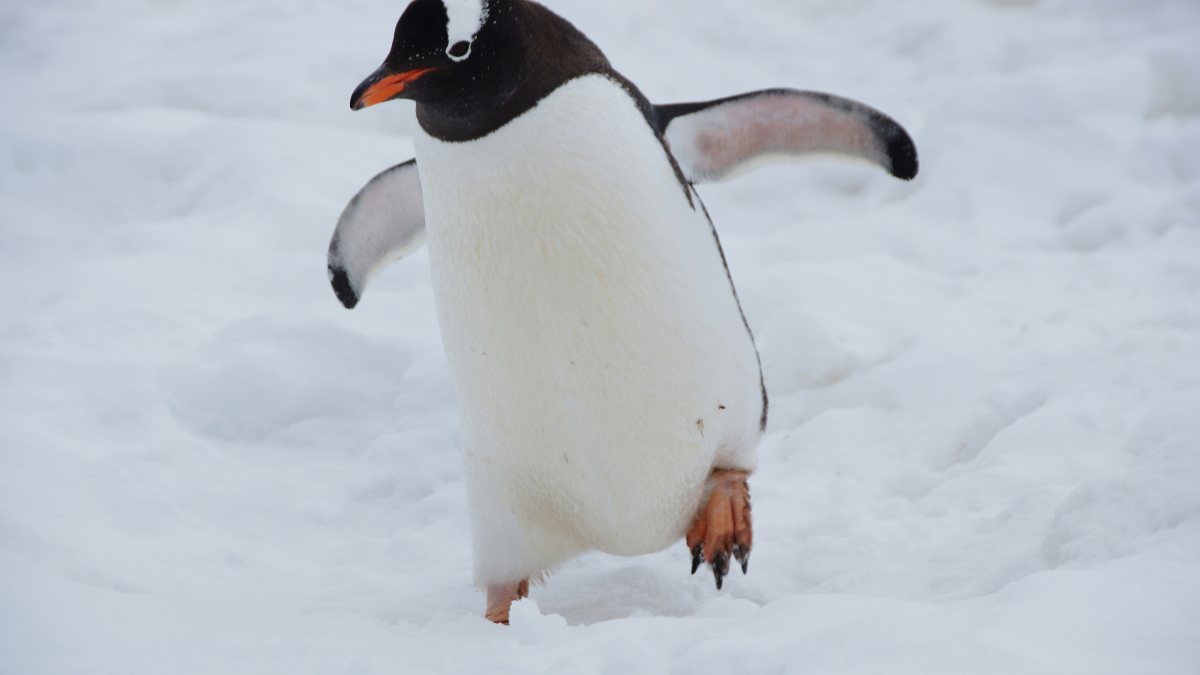
Penguins look furry, walk upright, and even feed their babies milk-like food, so are penguins mammals?
The answer surprises many people, and in this guide, we explain the truth with clear biological facts.
10 Quick Facts About Penguins
| 1. Penguins are birds, not mammals. 2. They lay eggs, unlike mammals that give live birth. 3. Penguins have feathers, not fur, for insulation. 4. They cannot fly, but their wings are adapted as flippers for swimming. 5. Penguins are warm-blooded, and their smooth, dense plumage can sometimes look like sleek fur. 6. Penguins feed their chicks either with regurgitated fish or crop milk, depending on the species. 7. Penguins have beaks instead of teeth. 8. Their chicks are covered with soft down, giving them a “furry” appearance. 9. All penguin species live in the Southern Hemisphere, mostly in Antarctica. 10. Penguins are social animals, living and breeding in colonies. |
Why Some People Think Penguins Are Mammals
People sometimes confuse penguins with mammals because:
- They appear chubby due to thick fat layers for insulation.
- Their upright posture and bipedal walking can make them look mammalian.
- Some species, like emperor penguins, produce a milk-like substance called crop milk for their chicks.
- They exhibit devoted parenting behaviors similar to some mammals, including incubation and prolonged chick care.
Despite these superficial traits, penguins lack mammalian characteristics such as mammary glands, fur, and live birth.
Can Penguins Produce Milk?
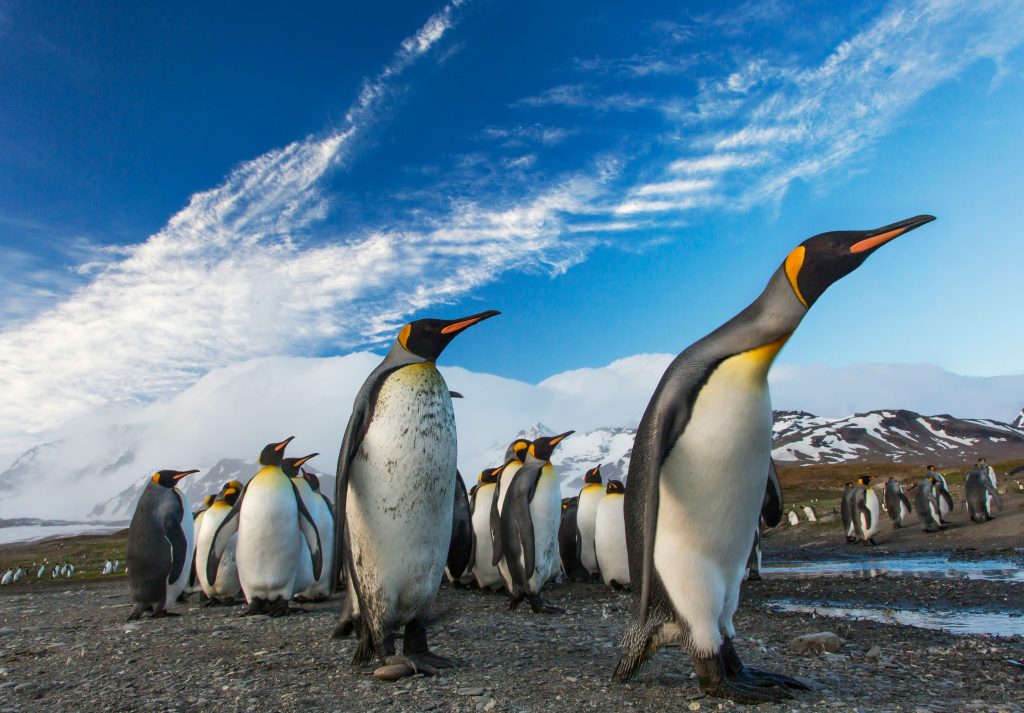
While penguins don’t have mammary glands, male emperor penguins produce a crop milk a protein and fat-rich substance to feed newly hatched chicks.
- Crop milk is produced by a gland in the throat, not the mammary glands.
- Only male emperor penguins produce crop milk, while in pigeons and flamingos, both sexes can produce it.
- After chicks hatch, parents take turns feeding them regurgitated fish and krill for several months.
This fascinating adaptation does not make penguins mammals, but it does show how they have evolved unique ways to nourish their young.
Penguin Classification
Penguins belong to the order Sphenisciformes, a group of flightless seabirds.
Bird Traits Penguins Have
- Feathers for insulation
- Lay eggs
- Beaks instead of teeth
- Wings adapted for swimming
Mammal Traits Penguins Lack
- Fur
- Mammary glands (no milk production in the mammalian sense)
- Live birth
Penguin Parenting and Devotion
Penguins are monogamous during breeding seasons. Both parents often take turns caring for the young.
- Male emperor penguins incubate eggs in subzero temperatures, sometimes going weeks without food.
- After hatching, the chick is fed by both parents with regurgitated food.
- This care ensures survival in harsh environments and often impresses humans with how “mammal-like” their behavior seems.
Common Questions About Penguins
Q1: Are penguins mammals or birds?
A: Penguins are birds, not mammals. They have feathers, lay eggs, and feed chicks in ways distinct from mammals.
Q2: Are emperor penguins mammals?
A: No, emperor penguins are birds. Their unique behaviors, like crop milk production and extreme parental care, are adaptations, not mammalian traits.
Q3: Why do penguins look like mammals?
A: Penguins appear mammal-like due to their fat layers, upright posture, dense plumage, and devoted parental care.
Q4: Do penguins produce milk?
A: Only male emperor penguins produce a milk-like substance called crop milk. It is not true mammalian milk but serves to nourish chicks in the first days after hatching.
References