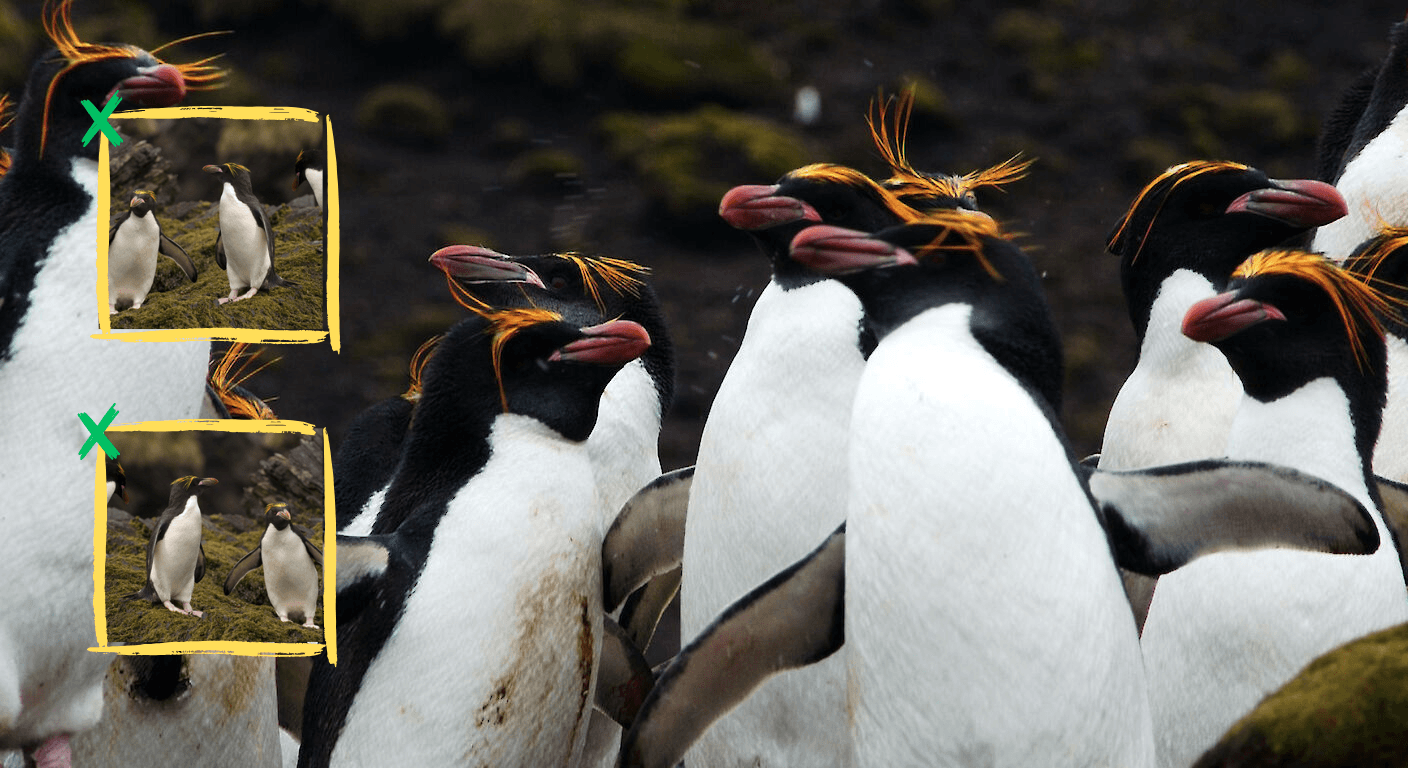
The macaroni penguin (Eudyptes chrysolophus) is one of the most distinctive penguin species, easily recognized by its bright yellow crest. Interestingly, it is also considered the most numerous penguin species in the world, with an estimated population of millions across sub-Antarctic regions. But what makes this penguin so unique compared to others? its combination of striking appearance, massive colonies, and efficient feeding behavior makes it truly exceptional.
| Feature | Details |
|---|---|
| Scientific Name | Eudyptes chrysolophus |
| Height | ~70–71 cm (28 inches) |
| Weight | ~5.5 kg (varies seasonally) |
| Lifespan | 8–15 years |
| Diet | Krill, fish, squid |
| Habitat | Sub-Antarctic & Antarctic |
| Status | Vulnerable |
Table of Contents
NATURAL HISTORY OF THE MACARONI PENGUIN
The macaroni penguin has a fascinating natural history shaped by survival in extreme environments. Not only does it thrive in cold, rocky coastal areas, but it also forms some of the largest seabird colonies on Earth. Moreover, its yearly cycle includes breeding, molting, and long-distance migration. So, how does it survive such harsh conditions? its strong social behavior and efficient foraging strategies play a crucial role in its survival.
Description and Appearance
Distinctive Features
The macaroni penguin is instantly recognizable due to its long yellow-orange crest feathers that extend backward from its forehead. In addition, it has black upperparts and white underparts, creating a sharp contrast. This coloration is not just for looks, it provides camouflage in water, protecting the penguin from predators above and below.
Size and Height
On average, macaroni penguins reach about 70 cm (28 inches) in height and weigh around 5.5 kg, although weight can vary depending on the season. For example, they gain weight before molting and lose it during breeding periods. So, how tall is a macaroni penguin compared to others? It is considered medium-sized among penguin species.
Physical Adaptations
Like other penguins, this species has flipper-like wings and a streamlined body for efficient swimming. Furthermore, its dense waterproof feathers and fat layer provide insulation in freezing waters. These adaptations allow them to dive deeply and survive in cold marine environments.
Habitat and Range
Where Do Macaroni Penguins Live?
Macaroni penguins primarily inhabit sub-Antarctic islands and the Antarctic Peninsula, especially rocky coastal areas. These environments provide safe nesting grounds and easy access to food in nearby waters. But why such remote locations? According to ASOC, these areas reduce predator risks and support large breeding colonies.
Breeding Locations
They breed in major colonies across islands such as South Georgia, Falkland Islands, and Kerguelen Islands. In fact, some colonies can contain over 100,000 individuals, making them among the densest seabird colonies in the world. This high population density also helps with protection and social interaction.
Migration Behavior
Outside the breeding season, macaroni penguins spend months at sea. Interestingly, research shows they can travel over 10,000 km in search of food. This long-distance migration allows them to adapt to seasonal changes in ocean food availability.
Diet and Feeding Behavior
What Do Macaroni Penguins Eat?
The macaroni penguin diet mainly consists of krill, which can make up more than 90% of their food during breeding season. However, they also eat small fish and squid. Krill provides essential nutrients and energy needed for survival.
Hunting Skills
These penguins are excellent divers, typically reaching depths of 15 to 70 meters, and sometimes even deeper. Moreover, their streamlined bodies help them move quickly underwater while chasing prey. So, how do they catch food so efficiently? Their diving ability plays a key role.
Feeding Strategy
Macaroni penguins often forage in groups, which increases their chances of finding food. Additionally, studies show they consume vast amounts of marine life annually. They are among the largest consumers of marine resources among seabirds.
Breeding and Life Cycle
Breeding Season
Macaroni penguins begin breeding in late October, with eggs laid in early November. During this time, they gather in massive colonies. But how do they manage parenting in such crowded conditions? Cooperation between parents is essential.
Eggs and Chicks
Females typically lay two eggs, although the first is smaller and often does not survive. Both parents share incubation duties in shifts, ensuring the eggs remain protected. This shared responsibility increases survival chances.
Macaroni Penguin Baby (Chick)
After hatching, the macaroni penguin chick is covered in soft gray feathers. Initially, it depends entirely on its parents for warmth and food. Soon after, chicks gather in groups called crèches, which help protect them from predators and cold weather.
Independence
By around 60–70 days, chicks develop waterproof feathers and are ready to go to sea. At this stage, they become independent and begin their own life cycle. This marks a critical transition in their development.
Lifespan and Survival
How Long Do Macaroni Penguins Live?
Macaroni penguins typically live 8 to 15 years in the wild. However, lifespan can vary depending on environmental conditions and food availability.
Survival Challenges
Despite their large population, they face threats from predators such as seals and killer whales. In addition, climate change and food shortages can impact survival rates. These challenges contribute to population decline.
Behavior and Adaptations
Macaroni penguins display highly social behavior, living in dense colonies that can include hundreds of thousands of individuals. Because of this, they rely heavily on vocal communication to recognize mates and chicks. Furthermore, their adaptations, such as thick insulating feathers, strong swimming ability, and efficient diving, help them survive in extreme climates. So, what makes them so resilient? Their combination of physical adaptations and social structure ensures survival in harsh environments.
Threats and Conservation
Macaroni penguins are currently classified as Vulnerable, despite their large global population. The main threats include climate change, overfishing, and marine pollution, all of which affect their primary food source, krill. Population declines have been recorded in several regions over recent decades. Therefore, conservation efforts are essential to protect this species and its habitat.
Fun Facts About Macaroni Penguins
Macaroni penguins are full of fascinating traits. For instance, they are the most numerous penguin species in the world. Additionally, their name comes from an 18th-century fashion trend, not pasta. Surprisingly, they can travel thousands of kilometers during migration. They are also among the most active marine foragers.
Frequently Asked Questions (FAQs)
Why is it called a macaroni penguin?
It is named after an 18th-century fashion trend, where men wore flamboyant styles resembling the penguin’s crest.
What is the scientific name of the macaroni penguin?
The scientific name is Eudyptes chrysolophus.
How tall is a macaroni penguin?
They grow up to 70–71 cm (28 inches) tall.
What do macaroni penguins eat?
They mainly eat krill, fish, and squid.
What is a macaroni penguin chick like?
Chicks are gray, fluffy, and form protective groups called crèches.
How long do macaroni penguins live?
They live around 8–15 years in the wild.