
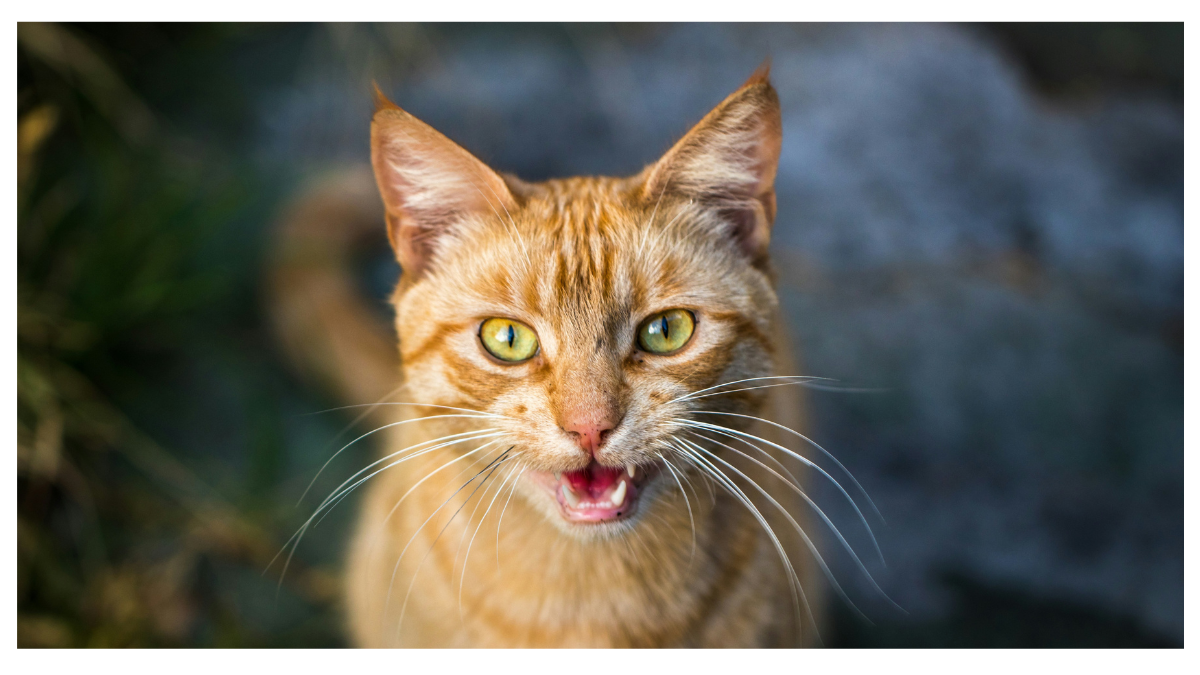
Cats that meow insistently for food yet then refuse to eat can be confusing and concerning for owners. This behavior can be frustrating and may signal a range of possibilities, from simple preferences to medical and environmental factors. Understanding what might be causing this will help you respond appropriately and ensure your cat’s wellbeing.
Why Cats May Beg for Food but Refuse to Eat
1. Medical or Physical Discomfort
Cats sometimes show interest in food but turn away after approaching it because eating is uncomfortable or painful.
Pain and oral issues:
Cats with dental problems, such as gingivitis, mouth ulcers, abscesses, or teeth issues, may sniff food but stop eating because chewing hurts.
Gastrointestinal illness:
Conditions like nausea, inflammatory bowel disease (IBD), pancreatitis, or other digestive upset can make eating unappealing. Even though the cat feels hungry, the act of eating may trigger discomfort.
Other medical issues:
Kidney or liver disease, internal parasites, and metabolic conditions sometimes change how cats respond to food. These can cause low appetite, nausea, or subtle discomfort that makes eating less appealing. According to Environmental Literacy Council
2. Food Preferences and Aversion
Sometimes the behavior is not a health emergency but rather a response to the food itself.
Food aversion and picky eating
- Cats can develop an aversion to specific flavors or textures, especially if a negative experience happened after eating, such as nausea.
- Smell and texture matter for cats; if the food does not smell appealing or is served cold, they might sniff it and walk away.
Whisker or bowl discomfort
Some cats experience “whisker fatigue” when their whiskers repeatedly touch the sides of deep bowls, making eating unpleasant. Offering food in a shallow dish or plate can reduce this discomfort.
3. Behavioral and Emotional Factors
Not all food-related behavior is physical. Cats are complex, and they may approach food for reasons unrelated to nutrition.
Attention seeking and learned behavior
Cats are smart and can learn that meowing gets attention or leads to interaction. If you respond to begging with attention or extra food, they may repeat the behavior without being genuinely hungry.
Boredom or routine changes
Environmental changes, lack of stimulation, or stress can change your cat’s eating habits. A bored or anxious cat might meow for food even when uninterested in eating, seeking interaction or comfort instead.
Stress and anxiety
If the environment feels uncertain, such as with new pets, changes in routine, or loud noises, cats may adapt by seeking food or acting irregularly around meal times.
4. True Hunger vs. Behavioral Calling
It can be tempting to think a cat that meows incessantly must always be hungry, but that is not always the case.
Some cats call for food out of habit or routine reinforcement rather than real physiological hunger. They may eat only a little or refuse the food entirely.
Medical vs. Behavioral: Signs to Watch For
Here is how you can start differentiating between a medical problem and a behavioral or feeding issue:
| Indicator | May Suggest… |
|---|---|
| Meows then eats normally | Learned behavior or attention-seeking |
| Sniffs food then walks away | Food preference or aversion |
| Does not eat for 24+ hours | Medical concern; veterinary check needed |
| Drooling, pawing at mouth | Dental pain |
| Weight loss, vomiting, diarrhea | Gastrointestinal or systemic illness |
| Begging then ignoring food bowl repeatedly | Behavioral pattern |
This structured observation can help you communicate with your veterinarian if needed.
What You Can Do at Home
1. Monitor Eating Patterns
Track how often your cat refuses food and note any other symptoms, such as lethargy, vomiting, changes in stool, or drooling. This information can be highly useful to your veterinarian.
2. Try Different Feeding Adjustments
Changing the feeding environment and food presentation can sometimes help:
- Offer strong-smelling wet food to increase appeal.
- Warm the food slightly to release aroma.
- Use shallow bowls to reduce whisker discomfort.
- Place food in a quiet, low traffic area.
3. Establish a Consistent Feeding Schedule
Cats thrive on routine. Feeding at the same times each day helps regulate their expectations and reduce begging between meals.
4. Provide Mental and Physical Engagement
Distract and engage your cat outside of feedings:
- Playtime and toys
- Puzzle feeders
- Quiet interaction before meal times
These activities can reduce food-seeking behavior that is rooted in boredom or attention seeking.
When to Seek Veterinary Advice
You should consult a veterinarian if:
- Your cat refuses food for more than 24 hours
- Unexplained weight loss occurs
- There are signs of pain, drooling, or mouth sensitivity
- Digestive symptoms, such as vomiting, diarrhea, or upset stools, are present
- Behavioral changes coincide with appetite changes
A medical evaluation is essential to rule out dental disease, gastrointestinal disorders, organ issues, or other ailments.
(FAQs) People Also Ask
Q: Why does my cat meow for food if it is not truly hungry?
A: Cats may learn that meowing gets attention or expect food with certain activities or at specific times. This can become a habit even without real hunger…
Q: Could parasites like Giardia cause this behavior?
A: Yes. Parasitic infections may interfere with nutrient absorption, leading the body to signal hunger even though food is not being effectively used…
Q: Should I offer human food if my cat will not eat its own food?
A: No. Avoid giving human food. Cats have specific dietary needs, and human food can cause health problems. Try vet-approved wet food instead and consult your veterinarian for guidance…


